
Complete Paper Cups Buying Guide for UK Businesses (2026)
Your definitive UK paper cups buying guide. Compare single-wall, double-wall, and PLA-lined cups. Learn about sizes from 4oz to 16oz, custom printing, Plastic Packaging Tax, and compostability. Free quote.
Filed under Buying Guides.
Why Your Paper Cup Specification Matters
If you are a UK cafe owner, restaurant manager, caterer, or procurement professional looking to buy paper cups in bulk, this guide covers everything you need to know — from cup types and sizes to UK regulations, eco claims, and how to get the best value without sacrificing quality.
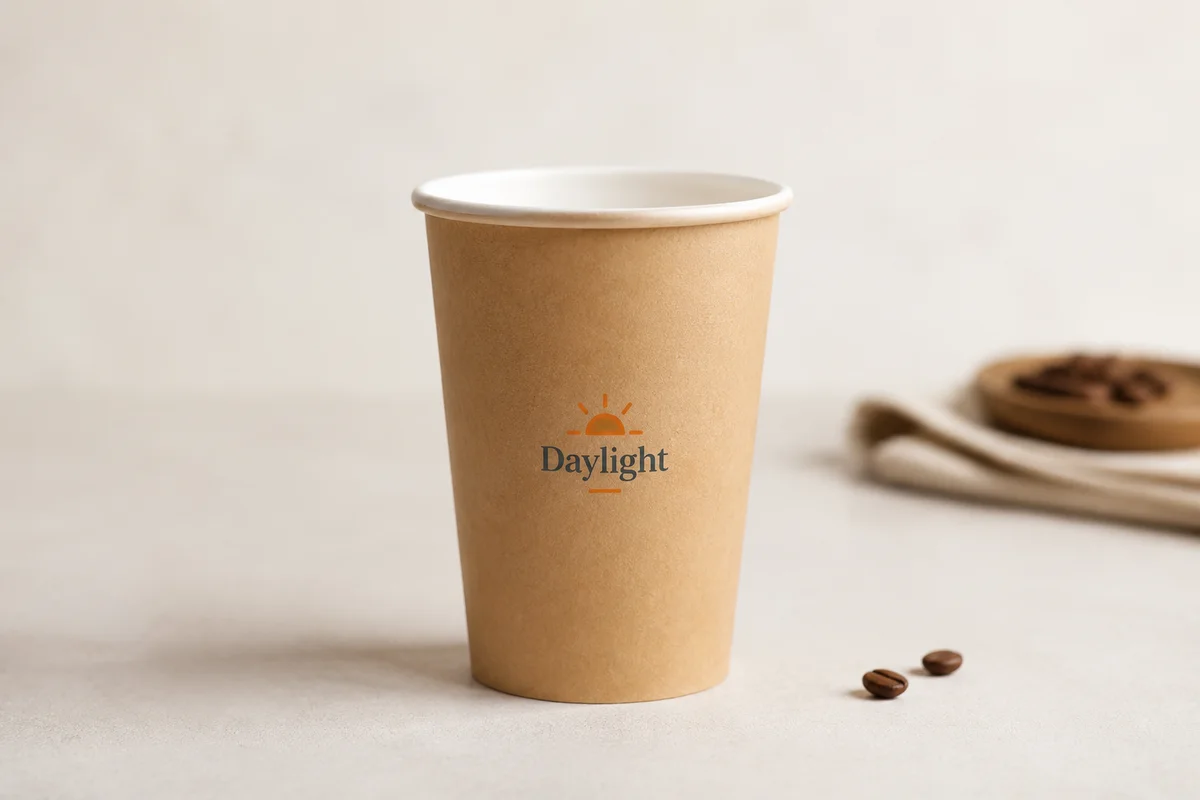
Paper cups are an everyday essential for the UK foodservice industry. The UK uses roughly 2.5 billion paper cups each year, according to the Environmental Audit Committee, and that number continues to grow as takeaway and delivery culture becomes the norm. Beyond their functional role, paper cups are one of the most cost-effective branding tools a business can deploy — every cup that leaves your shop is a mobile advertisement carrying your logo, colours, and message.
This guide is designed to give you the technical knowledge, regulatory awareness, and purchasing confidence to order the right cups for your business, every time.
Paper Cup Types: Wall Construction Explained
Paper cups come in several constructions, each suited to different use cases. Choosing the right wall type directly affects your drink quality, customer comfort, and cost per cup.
Single-Wall Cups
Single-wall cups are the lightest and most economical option. They consist of a single layer of paperboard with a thin internal lining. These cups are ideal for cold drinks or short-serve hot drinks where the cup will not be held for long. They offer the least insulation, so a sleeve is recommended for hot beverages.
Best for: Water stations, cold beverages, short-service hot drinks, and events where budget is the primary concern.
Typical cost (custom printed, 5,000 units): £0.07 to £0.09 per cup for an 8oz size.
Double-Wall Cups
Double-wall cups feature two layers of paperboard bonded together, creating an insulating air gap. This keeps the drink hot and the outer surface cool to the touch — no sleeve required. Double-wall cups are the industry standard for takeaway coffee and tea in UK cafes. They feel more substantial in the hand and convey quality.
Best for: Takeaway coffee and tea, premium cafes, and high-traffic coffee shops.
Typical cost (custom printed, 5,000 units): £0.11 to £0.14 per cup for a 12oz size.
Ripple-Wall Cups
Ripple-wall cups, also called corrugated or fluted cups, use a single paperboard layer wrapped with a textured outer ply. The rippled surface provides grip and insulation while reducing paper usage compared to double-wall cups. They have a distinctive, artisanal look popular among independent coffee shops.
Best for: Artisan coffee shops, businesses prioritising sustainability, and anyone wanting a tactile, premium feel.
Typical cost (custom printed, 5,000 units): £0.10 to £0.13 per cup for a 12oz size.
Paper Cup Linings: PE vs PLA vs Water-Based
The lining is what makes a paper cup waterproof. The choice of lining material affects cost, end-of-life disposal, and compatibility with UK waste infrastructure.
PE-Lined Cups (Standard)
The vast majority of paper cups sold in the UK are lined with polyethylene (PE), a thin plastic film that makes the cup waterproof. PE-lined cups are reliable, widely available, and the most cost-effective option. The PE layer represents roughly 5 percent of the cup by weight, with the remaining 95 percent being paper fibre.
PE does not biodegrade, and these cups are not compostable. However, specialist recycling facilities in the UK — operated by James Cropper, DS Smith, Sonoco, and ACE UK — can separate the PE from the paper fibre for recycling. Collection infrastructure remains limited, with fewer than 1 in 20 UK local authorities offering cup recycling.
Best for: General-purpose use where cost is a priority and where cups will enter the general waste stream regardless of material.
PLA-Lined Cups (Compostable)
PLA (polylactic acid) is a bioplastic made from plant starches such as corn or sugarcane. PLA-lined cups are certified industrially compostable to the EN 13432 standard. However, this certification requires specific conditions — temperatures above 58°C, controlled humidity, and microbial activity — that are only available in industrial composting facilities.
The UK has fewer than 60 industrial composting facilities that accept compostable packaging, and WRAP data from 2025 indicates that under 5 percent of UK households have access to food waste collections that accept compostable packaging. PLA-lined cups cost 30 to 40 percent more than PE-lined equivalents.
Best for: Closed-loop environments (festivals, corporate campuses, stadiums), businesses with verified commercial composting collections, and brands where compostable credentials are a core part of the customer proposition.
Water-Based Coating (Emerging Technology)
A newer alternative uses water-based dispersion coatings instead of PE or PLA. These coatings are designed to be repulpable, meaning the cup can be recycled through standard paper mills without the need for specialist separation equipment. Adoption in the UK is growing but remains limited compared to PE and PLA.
For a more detailed comparison of PE and PLA linings, including cost data and performance testing, see our Paper or PLA guide.
Paper Cup Size Guide
Choosing the right cup size is about matching your menu to customer expectations. Below is the definitive UK paper cup size reference:
| Size | Rim Diameter | Height | Typical Drink |
|---|---|---|---|
| 4 oz | 62 mm | 60 mm | Espresso, macchiato, tasting flights |
| 6 oz | 70 mm | 68 mm | Flat white, cortado, small cappuccino |
| 8 oz | 80 mm | 85 mm | Standard cappuccino, latte, small tea |
| 10 oz | 80 mm | 95 mm | Medium latte, hot chocolate |
| 12 oz | 90 mm | 105 mm | Large latte, Americano, tea |
| 16 oz | 90 mm | 130 mm | Extra-large coffee, iced drinks |
Most UK cafes stock three sizes: 8 oz (small), 12 oz (medium), and 16 oz (large). The 8 oz size is the most commonly ordered custom-printed cup among UK independents because it covers the core hot drink menu — cappuccinos, lattes, and flat whites — at the best per-unit cost.
When selecting your cup sizes, consider your menu first. An 8 oz cup cannot hold a 12 oz latte. A 16 oz cup filled with an 8 oz drink looks half-empty and underwhelming to the customer. Match the cup to the drink, not the other way around.
Paper Cup Materials: What Your Cup Is Made From
Paper cups are manufactured from food-grade paperboard, typically derived from virgin wood pulp or recycled fibres. Understanding the material composition helps you make informed decisions about quality, print performance, and sustainability credentials.
Paperboard GSM: Cup paperboard typically ranges from 190 to 280 gsm (grams per square metre). Heavier board provides better rigidity and insulation but adds cost and weight. Standard single-wall cups use 190 to 210 gsm board. Double-wall cups use 190 to 210 gsm for both the inner and outer layers.
Virgin vs Recycled Fibre: Virgin fibre provides the best print surface and structural consistency. Recycled fibre is more sustainable on paper but can introduce variability in board colour, print quality, and odour — particularly when in contact with hot liquids. Most UK cup manufacturers use virgin fibre for the food-contact inner layer and may use recycled content in the outer layer of double-wall cups.
FSC Certification: The Forest Stewardship Council (FSC) certifies that the wood fibre used in the cup comes from responsibly managed forests. FSC certification is increasingly a requirement for UK public sector and corporate procurement contracts. All OkeyPackaging standard paper cups are available with FSC-certified board on request.
Custom Printing on Paper Cups
Custom printing transforms a plain cup into a branded marketing asset. When a customer walks down the street holding your cup, it generates free impressions for your brand. Here is what you need to know.
Print Methods:
-
Flexographic printing (flexo) is the most common method for paper cups. It uses flexible relief plates and fast-drying inks to print at high speeds. Flexo is cost-effective for medium to large volumes and supports spot colours. It produces sharp, consistent results on the curved surface of a cup. Plate costs typically range from £100 to £300 per colour.
-
Offset printing uses a flat plate to transfer ink onto a rubber blanket, then onto the cup. It offers finer detail and better image quality than flexo, making it the preferred choice for photographic artwork and complex gradients. Offset is typically more expensive per unit and suits larger minimum orders.
-
Digital printing applies ink directly from a digital file with no plates. This is the best option for short runs, prototypes, and highly customised designs. Digital printing has no plate costs, making it ideal for low MOQ orders. The trade-off is a slightly higher per-unit cost compared to flexo or offset at scale.
Colour Options: Most cup printers use CMYK process colours for full-colour designs. Pantone spot colours are available for precise brand colour matching at an additional cost of roughly £50 to £150 per spot colour. For best results, limit your design to 1 to 3 spot colours plus white if budget is a concern.
Artwork Specifications:
- File format: PDF/X-1a or PDF/X-4, or Adobe Illustrator (.ai) with fonts outlined
- Resolution: 300 DPI at actual print size
- Bleed: 3 mm on all sides
- Safe zone: 5 mm from all trim edges
- Colour mode: CMYK with Pantone references if spot colours are required
For detailed artwork preparation guidance, see our print-ready artwork guide.
Minimum Order Quantities and Pricing
Understanding the relationship between order volume and unit cost is essential for budgeting. Paper cup pricing follows a volume discount curve where the steepest savings occur between 500 and 5,000 units.
8oz single-wall PE-lined cup, custom printed:
- 500 units: £0.18 to £0.22 per cup
- 1,000 units: £0.14 to £0.17 per cup
- 5,000 units: £0.07 to £0.09 per cup
- 10,000 units: £0.06 to £0.08 per cup
- 25,000 units: £0.05 to £0.07 per cup
12oz double-wall PE-lined cup, custom printed:
- 500 units: £0.24 to £0.28 per cup
- 1,000 units: £0.18 to £0.22 per cup
- 5,000 units: £0.11 to £0.14 per cup
- 10,000 units: £0.09 to £0.12 per cup
- 25,000 units: £0.07 to £0.10 per cup
The price drops by roughly 60 percent between 500 and 5,000 units, but only by another 25 percent between 5,000 and 25,000 units. For most independent UK operators, the 1,000 to 5,000-unit range represents the best balance of per-unit cost, storage requirements, and cash outlay.
For a comprehensive breakdown of MOQ economics and how low-minimum suppliers operate, read our Low MOQ Custom Packaging Guide.
UK Regulations for Paper Cups
Several UK and EU-retained regulations govern the manufacture, sale, and disposal of paper cups. Understanding these helps you stay compliant and make informed procurement decisions.
Food Contact Materials Regulation: All paper cups sold for food contact in the UK must comply with Regulation (EC) 1935/2004, which requires that packaging does not transfer its constituents to food in quantities that could endanger human health, change the composition of the food, or deteriorate its taste or odour. Additionally, Regulation (EU) 10/2011 sets specific migration limits for the plastic lining used in cups.
Plastic Packaging Tax: From April 2022, the UK has charged £217.85 per tonne (2026 rate) on plastic packaging with less than 30 percent recycled content. PE linings are subject to this tax. PLA linings — being bio-based — are exempt. For a typical independent cafe ordering 50,000 cups annually, the PPT liability on PE-lined cups is modest — roughly £5 to £10 per year given the low plastic weight per cup — but the reporting obligation applies if your business manufactures or imports more than 10 tonnes of plastic packaging annually.
Extended Producer Responsibility: From 2025, EPR fees apply to packaging placed on the UK market. Fees are modulated based on recyclability, meaning less-recyclable formats attract higher fees. The regulatory trajectory is clear: fees will rise over time and non-recyclable packaging will bear the heaviest cost.
UKCA Marking: As of 2025, paper cups placed on the GB market must demonstrate compliance with UK Conformity Assessed (UKCA) requirements where applicable. Most standard food-contact paper cups from reputable UK suppliers already meet these requirements.
For complete regulatory guidance, see our UK Packaging Regulations Guide 2026.
Sustainability and Eco Claims
Environmental claims on packaging are subject to increasing scrutiny from both regulators and customers. The UK Competition and Markets Authority (CMA) has signalled that greenwashing — making misleading environmental claims — is a priority enforcement area.
Compostable Claims: A cup labelled as "compostable" means it is certified to EN 13432, the European standard for industrial compostability. It does NOT mean the cup will break down in a garden compost heap, in a landfill, or in the marine environment. Always specify "industrially compostable to EN 13432" rather than just "compostable."
Recyclable Claims: PE-lined paper cups are technically recyclable — specialist facilities exist in the UK — but collection rates remain very low. If you claim your cups are "recyclable," you should be able to point customers to specific collection points or services that accept them.
Recycled Content: Cups made with a percentage of post-consumer recycled fibre are available, though typically only in the outer layer. The food-contact inner layer must use virgin fibre or recycled material that has been through a certified decontamination process under Regulation (EC) 282/2008.
Carbon Footprint: The carbon footprint of a single 12oz paper cup is estimated at 15 to 20 grams of CO2 equivalent for the cup alone, excluding the lid. Sleeves add a further 5 to 10 grams. UK-manufactured cups have a lower transport footprint than imported cups, which must be factored into total lifecycle calculations.
The Ordering Process: Step by Step
A typical custom paper cup order follows six stages:
Step 1 — Requirements: Define your cup type, size, lining, quantity, and timeline. Most UK suppliers will guide you through this if you are unsure.
Step 2 — Artwork: Submit your artwork or work with the supplier's design team to create print-ready files. At OkeyPackaging, our free design service handles this for you. Use our design page to get started.
Step 3 — Proof: Review and approve the digital proof (same-day) or physical proof (2 to 3 working days). Check spelling, colours, and layout carefully — this is your last chance to make changes before production.
Step 4 — Production: Production typically takes 2 to 6 weeks depending on order complexity, volume, and the supplier's production schedule. UK-based production is generally faster than imported cups.
Step 5 — Delivery: UK-manufactured cups ship from the factory to your door within 1 to 3 working days after production. Imported cups can take 4 to 8 weeks for shipping and customs clearance.
Step 6 — Receive and Inspect: Check the delivered cups against your approved proof. Count a sample, verify print quality, and test a few cups with actual hot drinks. Any issues should be reported to the supplier within 48 hours of delivery.
Total timeline from order to delivery: typically 4 to 10 weeks for UK production, depending on order volume and the supplier's current schedule.
Frequently Asked Questions
What is the most popular paper cup size for UK cafes?
The 8 oz size is the most commonly ordered custom-printed cup among UK independent cafes. It covers the core hot drink menu — cappuccinos, lattes, and flat whites — and offers the best per-unit cost. Most multi-site operators stock 8 oz, 12 oz, and 16 oz.
Are PLA-lined cups really better for the environment?
PLA-lined cups are certified industrially compostable to EN 13432, but the UK currently lacks the collection and processing infrastructure to handle them at scale. If your cups go to general waste — as most do — the environmental benefit of PLA over PE is minimal in practice. The better environmental choice depends on your specific waste disposal pathway, not just the cup material.
What is the minimum order for custom-printed paper cups?
At OkeyPackaging, the minimum order for custom-printed paper cups is 500 units using digital printing. For flexographic printing, the minimum is typically 2,500 to 5,000 units due to plate setup costs. See our full product range for per-product MOQs.
Does the Plastic Packaging Tax apply to my paper cup order?
If your cups use PE lining, the PPT applies — but the plastic weight per cup is very small (roughly 1 to 2 grams). For most independent operators ordering fewer than 100,000 cups annually, the tax liability is minimal. The reporting obligation applies if your business places more than 10 tonnes of plastic packaging on the UK market per year.
What artwork format do I need to supply?
PDF/X-1a or PDF/X-4, or Adobe Illustrator files with all fonts converted to outlines. Resolution must be 300 DPI at actual print size. See our design page for templates and guidance.
How long does a custom paper cup order take?
Plan for 4 to 10 weeks from order to delivery. Factors include production slot availability, artwork approval, and shipping. Rush orders may be available for an additional fee. Contact our team for current lead times at the quote page.
Next Steps
Choosing the right paper cup involves balancing cost, quality, branding, and environmental impact. There is no single right answer for every business — the best cup is the one that fits your menu, your budget, and your brand.
For a personalised quote on custom-printed paper cups with UK-based production and low minimum order quantities, visit our quote page or browse our full paper cup range.