
Compostable, Biodegradable, or Recyclable: What UK Foodservice Operators Need to Know About Takeaway Packaging
UK foodservice operators: Learn the real difference between compostable, biodegradable, and recyclable packaging. EPR compliance, Plastic Packaging Tax, EN 13432, FSC certification, and cost data included.
Filed under Operations.
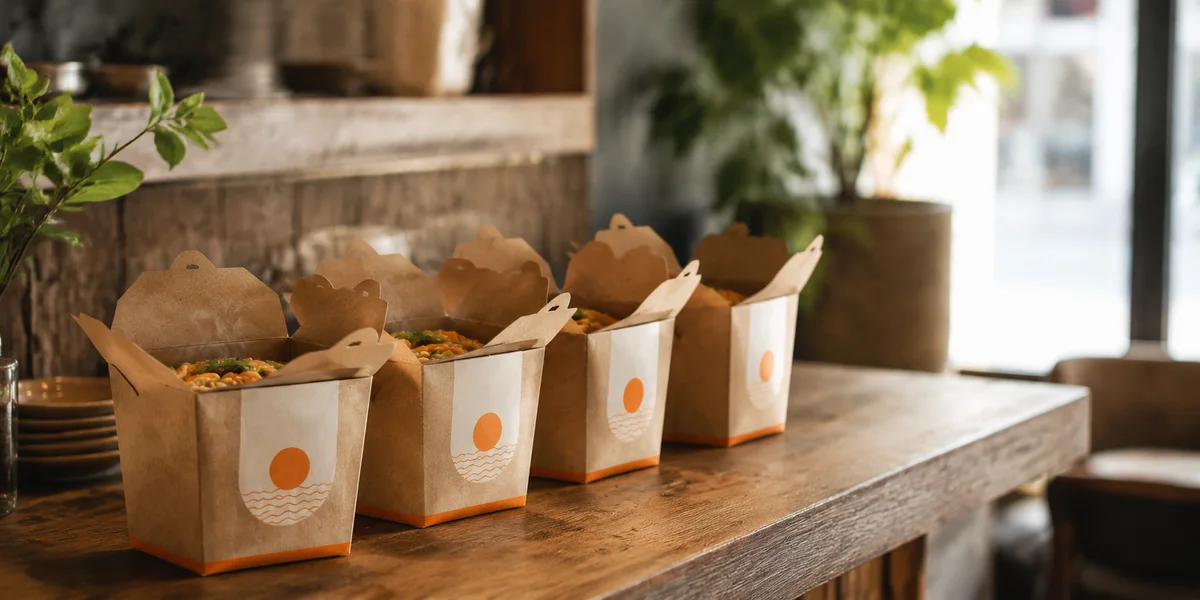
UK foodservice operators face a confusing landscape of environmental claims on packaging. Compostable, biodegradable, recyclable, degradable, plant-based, carbon-neutral — the terms are thrown around with little consistency, and the consequences of getting it wrong are real. Choose packaging that underperforms on its environmental promises and you risk greenwashing accusations. Choose packaging that performs but costs twice as much and you hurt your margins. This guide cuts through the marketing to explain what each term actually means for your business.
The Legal Framework: EPRand Plastic Packaging Tax
Before evaluating packaging materials, understand the regulations that apply to every UK foodservice business. The Environment Act 2021 introduced Extended Producer Responsibility (EPR) for packaging, which shifts the cost of managing packaging waste from local authorities to the producers who place it on the market. If your business handles more than 50 tonnes of packaging per year and has an annual turnover above 2 million GBP, you are obligated to report your packaging data and payEPRfees. These fees vary by material — plastic packaging carries a higher fee than paper or board, creating a direct financial incentive to choose fibre-based materials.
Additionally, the Plastic Packaging Tax, introduced in April 2022, charges 210.82 GBP per tonne (2023-24 rate) on plastic packaging that contains less than 30% recycled content. This applies to imported packaging too, so imported paper cups with plastic linings are affected. The tax has already driven significant reformulation across the industry. By choosing packaging made from high-recycled-content materials or fibre-based alternatives, operators can reduce or eliminate this tax liability entirely.
Compostable: What It Actually Requires
Compostable packaging sounds ideal in theory — it breaks down and returns to the earth. In practice, the term is tightly defined. For packaging to legally claim compostability in the UK and EU, it must meet theEN 13432standard (or the equivalent UK standard). This requires the packaging to disintegrate within 12 weeks and fully biodegrade (convert to CO2) within 6 months in an industrial composting facility. The key phrase is "industrial composting facility." Home composting conditions are very different — lower temperatures, less microbial activity, and no forced aeration. Most compostable packaging does NOT break down effectively in home compost bins.
The critical operational reality: industrial composting facilities are not universally available across the UK. According toWRAP, only approximately 50% of UK local authorities collect food waste for centralised composting, and an even smaller subset accept compostable packaging alongside food waste. If your customers dispose of a compostable cup in general waste — which is the most likely outcome in many areas — it will go to landfill or incineration regardless of its compostable certification. The environmental benefit is lost.
Compostable packaging also has practical trade-offs.PLA(polylactic acid) lined cups, for example, have a lower heat tolerance thanPE-lined cups — typically up to 85-90 °Cversus100 °Cfor standardPE. This means they can soften or leak with very hot beverages. Compostable cups and lids also cost 20-40% more than conventional equivalents, a premium that is difficult to pass on to price-sensitive customers.
Biodegradable: A Looser, Riskier Claim
Unlike compostable, the term "biodegradable" is not tightly regulated in packaging. It simply means a material will break down over an unspecified timeframe under unspecified conditions. A plastic cup labelled "biodegradable" could take 100 years to degrade in a landfill. The UK Competition and Markets Authority (CMA) has actively warned against using the term without clear qualification, and several high-profile enforcement cases have resulted in brands being required to remove or qualify biodegradable claims. As a B2B operator, using biodegradable-labelled packaging exposes you to greenwashing risk if the claims cannot be substantiated.
Recyclable: The Most Practical Choice for Most Operators
Recyclability is the most straightforward environmental claim. A paper cup is technically recyclable if the paper fibres can be separated and reprocessed into new paper products. The challenge has historically been the plastic lining — it contaminates the paper recycling stream. However, the UK now has several dedicated paper cup recycling facilities, including those operated by Simply Cups and James Cropper. In 2023, over 100 million paper cups were recycled in the UK through dedicated collection schemes.
For operators, choosing packaging from materials that are widely recycled in your local area is the most practical sustainability strategy. Plain paper and cardboard packaging (without plastic lamination) is recyclable through standard kerbside collections in most UK councils. Our paper bags and kraft paper packaging are fully recyclable through standard paper waste streams.
##FSCCertification: What It MeansFSC(Forest Stewardship Council) certification verifies that paper and wood products come from responsibly managed forests that provide environmental, social, and economic benefits.FSC-certified packaging is the baseline standard for any UK foodservice operator with environmental commitments. All OkeyPackaging paper products — cups, bags, boxes, and napkins — are available withFSC-certified materials. RequestingFSC-certified packaging adds negligible cost (typically 2-5%) but provides verifiable chain-of-custody evidence for your sustainability reporting.
Comparing Material Costs for UK Operators
Here is a realistic cost comparison for a UK cafe ordering 10,000 custom cups:
StandardPE-lined paper cup: baseline cost. Fully food-safe, reliable performance, widely compatible with lids and sleeves. Lowest per-unit cost. Not compostable but can be recycled through dedicated cup recycling programmes.PLA-lined compostable paper cup: 20-40% above baseline. Requires industrial composting facility access. Lower heat tolerance. Still uses paper fibres that could otherwise be recycled.
Unlined paper cup (for cold drinks): 10-15% below baseline. Fully recyclable. Not suitable for hot beverages. Best option for cold drink service.
The financial impact is significant. A cafe using 50,000 cups per year switching fromPE-lined toPLA-lined cups would see an additional annual cost of approximately 400-800 GBP. That money might be better spent on other sustainability measures with greater environmental impact, such as reducing food waste or switching to plant-based menu items.
Making the Right Choice for Your Business
There is no single right answer for every UK foodservice operator. The best approach depends on your location (local waste infrastructure), your volume (whether you exceedEPRthresholds), your customer base (how much they care about packaging), and your budget. Our salad bowls and takeaway boxes come in multiple material options to suit different sustainability strategies. The key is making an informed choice rather than being swayed by marketing claims.
Wrapping Paper and Pouch Alternatives
For operators looking to reduce packaging waste without compromising functionality, wrapping paper and paper pouches offer a lower-footprint alternative to plastic bags and polystyrene boxes. Plain kraft wrapping paper is fully recyclable and compostable in home compost bins. It works well for dry goods like pastries, sandwiches, and baked items. Paper pouches with grease-resistant liners handle wetter items like burgers and fried food while remaining recyclable in standard paper streams. OkeyPackaging supplies tissue paper and paper bags in multiple weights and finishes, allFSC-certified and recyclable through standard UK kerbside collections.
Communicating Your Packaging Choices to Customers
Whatever materials you choose, clear customer communication matters. A 2023 survey by the UK Foodservice Packaging Association found that 68% of diners want clearer labelling on takeaway packaging about recyclability and disposal. Adding a simple line to your packaging or menu board explaining that your cups areFSC-certified and recyclable through dedicated schemes helps customers dispose of them correctly and builds trust in your brand. Many operators also include disposal instructions on the base of their cups or on the side of their takeaway boxes. At OkeyPackaging, we can advise on print-ready disposal labelling options for your custom packaging.
OkeyPackaging supplies UK foodservice operators with a full range of packaging options — from standardPE-lined cups to fully compostable alternatives — backed by clear certifications and transparent pricing. Contact our team to discuss which packaging materials are right for your operation.